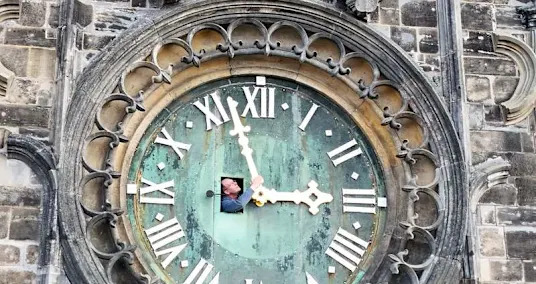
Clocks across the majority of European countries are set to go forward by one hour early on Sunday as the continent moves to daylight saving time, also known as summer time.
Clocks in most European nations including Germany advance by one hour at 2 am (0100 GMT) to 3 am, heralding longer evenings and brighter days.
This means that for the coming months parts of Europe will be on Central European Summer Time (CEST), before moving back to Central European Time (CET) in the autumn, when clocks go back again by an hour on October 25.
The aim of the change is to make better use of daylight in the shorter days of the winter in the northern hemisphere.
The signal for the automatic changeover of the clocks in Germany comes from the Federal Institute of Physics and Metrology (PTB) in the northern city of Braunschweig, also known as Brunswick in English.
The institute's experts ensure that radio-controlled clocks, station clocks and many industrial clocks are supplied with the signal via a long-wave transmitter called DCF77 in Mainflingen near Frankfurt.
LATEST POSTS
- 1
 Step by step instructions to Pick the Right Dental specialist for Your Dental Inserts Technique
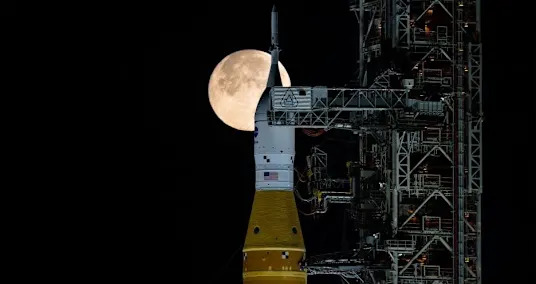
 - 2Everything to know about NASA's moon mission launching this week
- 3Egypt seeks to calm tourist fears over fallout of Iran war
- 4What we know about the 'Stranger Things' spinoff — plus the one cast member who guessed it correctly
- 5At least 171 measles cases confirmed in 9 states, CDC data shows




- Climate engineering would alter the oceans, reshaping marine life – our new study examines each method’s risks
- Report: Russian military pressuring students to work as drone pilots
- Joshua Made Last-Second Seat Change That Saved His Life
- 5 Instructive Toy Brands for Youngsters
- How did Hugh Jackman nail his latest role? Sequins, tighty-whities and embracing 'zero embarrassment.'
- Kobe Bryant called this WNBA star the 'Gold Mamba.' She turned his advice to her into a tattoo.
- Reveal Less popular Authentic Realities You Didn't Learn in School
- ‘This year nearly broke me as a scientist’ – US researchers reflect on how 2025’s science cuts have changed their lives
- From Specialist to Proficient Picture taker: Individual Triumphs