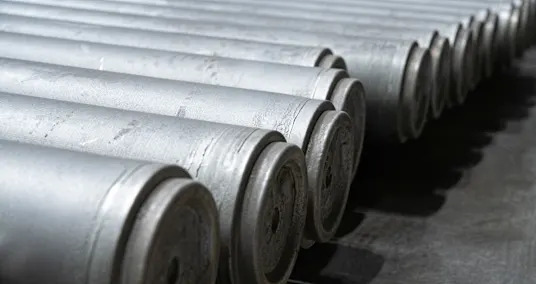
Fears of global aluminium shortages that could affect the production of clean energy technologies intensified after Iran struck two major Gulf aluminium producers, sending prices to a four-year high. The Middle East accounts for 9% of the world’s production of aluminum, which is essential to a wide range of industries from transportation, construction, and packaging, as well as the manufacture of solar panels, electrical transmission systems, wind turbines, and EVs.
Export shipments to the US and Europe had already come to a halt because of the effective closure of the Strait of Hormuz, and Morgan Stanley economists singled out aluminium as carrying a high level of risk across the value chain. Andy Farida, an aluminium analyst at Fastmarkets, told Semafor that high prices would be passed on to end-users, ultimately causing demand destruction. “A prolonged shutdown (with little to no alternative supplies other than Russia and China) could cripple the supply of aluminium to support the production of clean and green technology,” he said, adding that relief could come “if governments allow some sanctioned Russian and Chinese aluminium to be imported.”

LATEST POSTS



 A Lone Wolf Outsmarted Hunters in the Black Forest and Then Vanished
- Ober Gabelhorn glacier reveals remains of man missing for over three decades
- The Main 20 Gaming Control center Ever
- The pinch at the pump continues on
- Vote in favor of your Number one Kind of Gems
- Brazilian cardinal orders a popular Catholic priest to go offline following right-wing attacks
- Becoming Familiar with an Unknown dialect: My Language Learning Excursion
- Archaeologists uncover details about the Hjortspring boat's origins
- Netanyahu vows to ‘return Negev to Israel,’ pledges settlement growth during visit